An echocardiogram may be advised when a doctor needs to understand how the heart is structured and functioning. For someone comparing options for the Best Echo Centre in Nagpur, convenience matters, but it should not be the only consideration. The quality of an echocardiography service also depends on appropriate testing, technical acquisition, interpretation and integration with the patient’s clinical history.
Knowing what an echo examines makes it easier to evaluate a diagnostic facility.
What Information Can an Echocardiogram Provide?
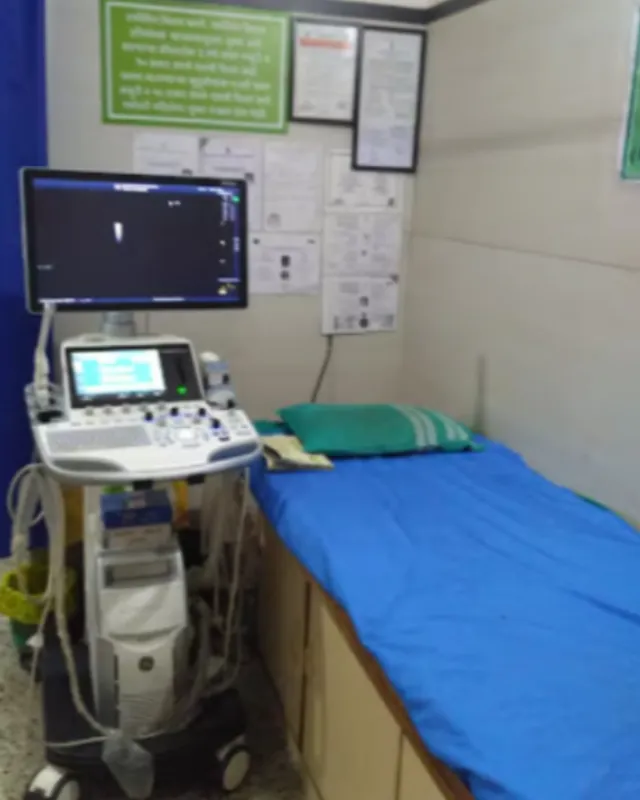
Echocardiography uses ultrasound waves to create moving images of the heart. Depending on the type of examination, it may provide information about:
- Heart chamber size
- Heart muscle movement
- Pumping function
- Heart valves
- Blood flow patterns
- Certain structural abnormalities
- Fluid around the heart
A standard transthoracic echocardiogram is non-invasive and is one of the commonly used cardiac investigations.
Echo and ECG Are Not the Same Test
Patients often confuse echocardiography with electrocardiography because both are used in cardiac evaluation.
An ECG primarily records the electrical activity of the heart. An echocardiogram provides images of cardiac structures and movement.
One test does not automatically replace the other. A physician may request either or both depending on symptoms and the suspected problem.
When Might a Doctor Recommend an Echo?
Echocardiography can be recommended for many reasons. These may include evaluation of breathlessness, suspected valve problems, abnormal heart sounds, certain ECG findings or monitoring of a previously diagnosed cardiac condition.
The reason for the test matters because it guides what needs particular attention during the examination.
A Practical Checklist for Comparing Echo Centres
When patients in Nagpur compare diagnostic facilities, several points deserve consideration.
Appropriate equipment: Image quality should be sufficient for the examination being performed.
Qualified personnel: Image acquisition and interpretation require appropriate professional expertise.
Clinical information: A centre should consider the reason for referral and relevant patient history rather than treating every examination identically.
Reporting: Reports should provide findings in a structured, clinically useful manner.
Availability of related diagnostics: Depending on the patient’s condition, access to other diagnostic investigations can make coordination more convenient.
Bring Previous Cardiac Records
Previous echo reports, ECGs, cardiac prescriptions, hospital discharge summaries and relevant blood investigations can provide useful context.
For patients with known heart conditions, comparison with an earlier echocardiogram can sometimes help the treating physician understand whether cardiac parameters have changed.
Medication should not be stopped simply because an echo has been scheduled unless the treating doctor has specifically advised this.
What Happens After the Test?
The echo report should be interpreted alongside the patient’s symptoms, physical examination and other cardiac investigations.
A measurement outside a reference range does not necessarily establish a diagnosis by itself. Likewise, a reassuring echocardiogram does not automatically exclude every possible cause of chest discomfort, breathlessness or palpitations.
Persistent or severe symptoms require appropriate medical assessment.
Echocardiography in Nagpur
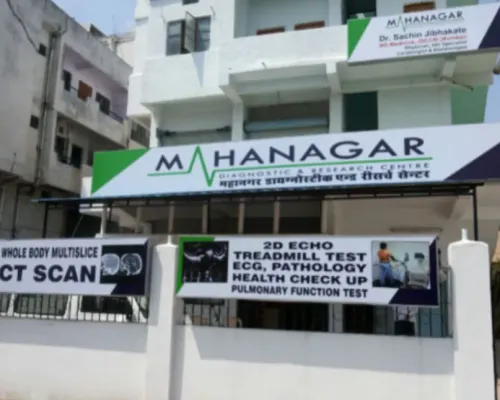
Mahanagar Diagnostic and Research Centre provides diagnostic services in Nagpur, including investigations relevant to patients undergoing cardiac assessment.
For families across Nagpur and Maharashtra, selecting an echo facility is ultimately about obtaining a technically appropriate examination that can contribute useful information to the treating doctor.
Rather than choosing solely on proximity or price, patients can ask whether the centre offers appropriate equipment, professional interpretation and a reporting process that supports continuity of care. Those factors make echocardiography more useful as part of a complete cardiac evaluation.
Keywords