Medical imaging has transformed the way doctors investigate symptoms, monitor known conditions and plan treatment. Yet patients frequently encounter an immediate question after receiving a prescription: why has the doctor recommended one imaging test rather than another?
Understanding the role of Best Radiology Services can help patients in Nagpur make sense of investigations such as ultrasound, CT and other imaging procedures without assuming that one technology is universally better.
Different Imaging Tests Answer Different Questions
There is no single imaging method suitable for every medical condition.
Each modality produces information differently. The test selected by a physician generally depends on the body part involved, symptoms, urgency, medical history and the specific diagnostic question.
Ultrasound
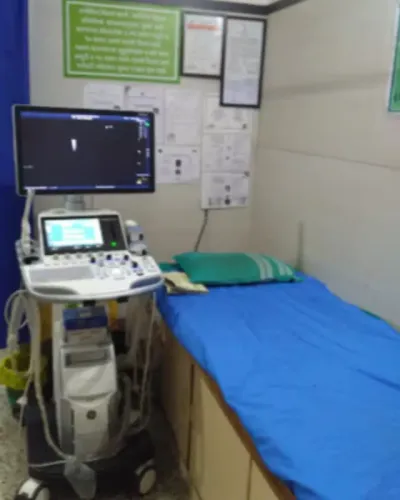
Ultrasound uses sound waves and does not involve ionising radiation. It is commonly used for pregnancy imaging, abdominal organs, pelvic structures, thyroid evaluation and selected soft-tissue or vascular examinations.
It also allows real-time assessment, which can be valuable in several clinical situations.
CT Imaging
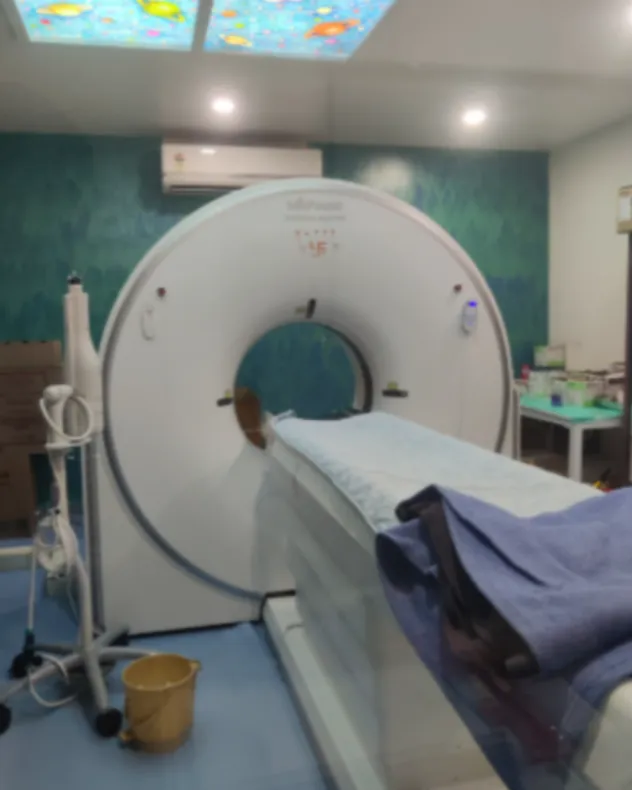
Computed tomography uses X-rays to create cross-sectional images. It is particularly useful when detailed evaluation of internal anatomy is required and is widely used in emergency as well as planned diagnostic care.
Depending on the clinical indication, contrast material may be used to improve visualisation.
Echocardiography
Although based on ultrasound technology, echocardiography is specifically designed to evaluate the heart. It can provide information about heart chambers, valves, pumping function and blood flow.
Why More Advanced Does Not Always Mean More Appropriate
Patients sometimes assume that a more complex or expensive scan must provide a better answer.
That is not necessarily the case.
For example, ultrasound may be more appropriate than CT for a particular clinical question. Conversely, CT may reveal anatomical information that ultrasound cannot adequately demonstrate.
The appropriate investigation is therefore the one suited to the clinical problem rather than simply the newest technology available.
The Importance of Clinical Information
Radiologists interpret images more effectively when they understand why an examination was requested.
Relevant information may include:
- Where the patient is experiencing symptoms
- How long symptoms have been present
- Previous medical conditions
- Surgical history
- Relevant laboratory findings
- Previous imaging results
- The referring physician’s suspected diagnosis
Patients should provide accurate details rather than treating the referral form as a formality.
Why Imaging Reports Need Clinical Correlation
Radiology can identify structural abnormalities, but an imaging finding does not always explain a patient’s symptoms.
Some findings may be incidental and unrelated to the original complaint. Other conditions may produce significant symptoms despite limited imaging abnormalities.
This is why radiology reports commonly need to be correlated with clinical examination and laboratory findings.
Keeping Diagnostic Records Together
Patients undergoing repeated investigations should retain previous images and reports whenever possible.
Comparing current imaging with an older study can reveal whether a finding has appeared, disappeared, increased, decreased or remained stable. That information can sometimes be as important as the current finding itself.
Accessing Imaging Services in Nagpur
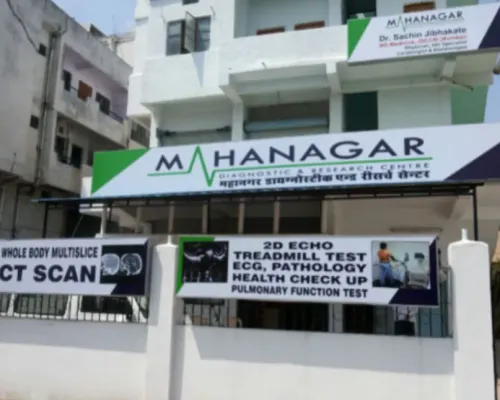
Mahanagar Diagnostic and Research Centre provides radiology and pathology-related diagnostic services for patients in Nagpur. A comprehensive diagnostic setting can be useful when physicians require imaging alongside laboratory investigations or other evaluations.
Across Nagpur and Maharashtra, patients can make diagnostic care more effective by following preparation instructions, carrying relevant records and discussing results with the doctor managing their condition.
Radiology is most valuable when imaging technology, professional interpretation and clinical information work together. The goal is not simply to produce an image—it is to provide information that helps the healthcare team make a more informed decision.
Keywords